When remodeling a bathroom, one of the most critical decisions homeowners face is selecting the right tile material. The choice often comes down to two popular options: marble and porcelain. Each offers unique benefits in terms of durability, aesthetic appeal, and cost, making the decision a complex one. This article will explore the durability of Marble Bathroom Tile compared to porcelain, guiding you through the essential aspects of each material. We will also consider maintenance requirements and cost implications to help you make an informed decision for your home improvement project.
Marble Bathroom Tile: Aesthetic Appeal and Durability
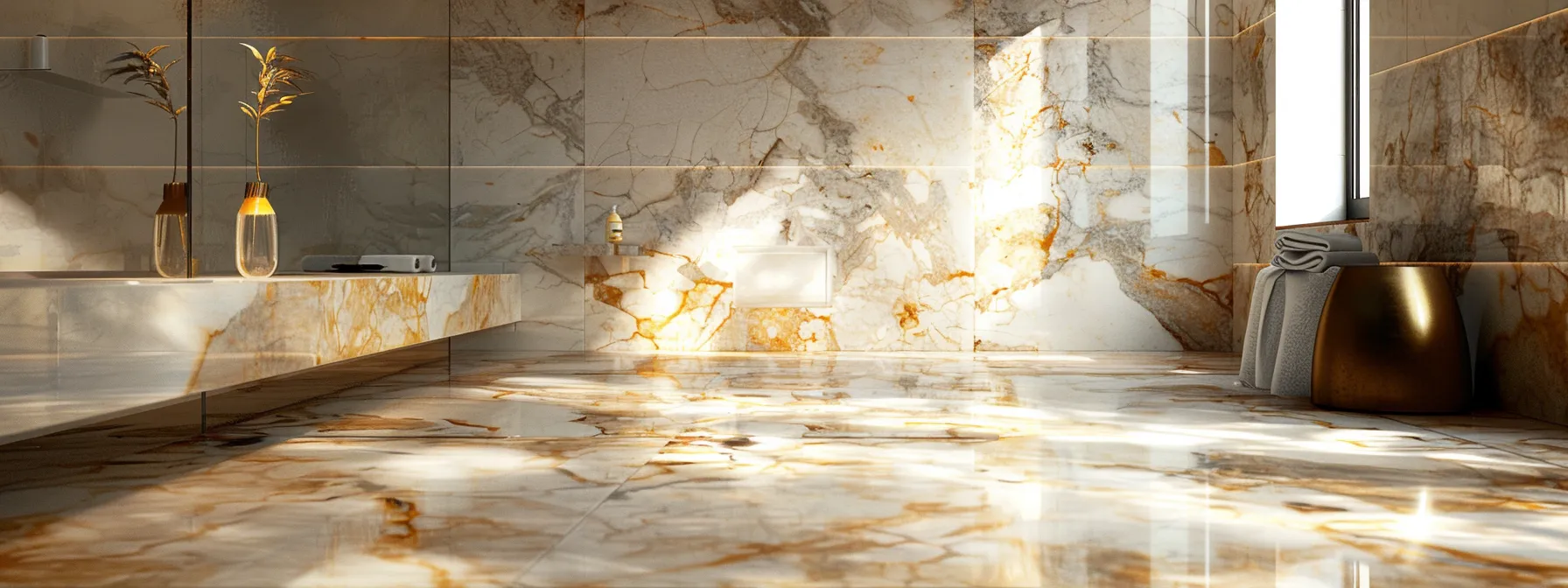
Marble Bathroom Tile is renowned for its luxurious appearance and timeless elegance. This natural stone is formed through the metamorphism of limestone, giving it a unique veining pattern that can elevate any bathroom design. However, marble’s beauty comes with certain durability considerations. While it is relatively strong, marble is also a porous material, making it susceptible to staining and etching from acidic substances. Regular sealing can help mitigate these issues, but it requires consistent care. Despite these challenges, marble’s aesthetic is unmatched, making it a preferred choice for those prioritizing visual appeal in their material palette.
In terms of Marble Bathroom Tile, durability statistics indicate that, with proper maintenance, marble can last for decades. However, its susceptibility to scratches and moisture absorption necessitates careful site analysis during the design development phase to ensure optimal placement and protection.
Porcelain Bathroom Tile: Strength and Versatility in Design
Porcelain bathroom tiles are crafted from refined clay and fired at high temperatures, resulting in a dense and strong material. This manufacturing process makes porcelain tiles highly resistant to water, stains, and scratches, offering superior durability compared to many other tile options. Porcelain’s strength allows it to withstand heavy foot traffic and fluctuating temperatures, making it suitable for both residential and commercial spaces, including those aiming for LEED Certification due to its sustainable sourcing options.
Moreover, porcelain tiles offer versatility in design. They can mimic the appearance of natural stone or wood, providing a wide range of options for color theory application and schematic design. This flexibility in the finish schedule allows interior designers to achieve a cohesive look without compromising on durability.
Comparing Maintenance Requirements for Marble and Porcelain Tiles
Maintenance is a crucial factor when evaluating marble and porcelain tiles. Marble requires regular sealing to protect against stains and moisture infiltration. Homeowners need to be mindful of the cleaning products used, as harsh chemicals can damage the surface. In contrast, porcelain tiles are relatively low-maintenance, requiring only routine cleaning with water and mild detergents.
The durability of porcelain tiles, combined with their resistance to mold and mildew, makes them an excellent choice for busy households where time for maintenance is limited. They align well with modern punch list requirements for easy upkeep and longevity.
Cost Considerations: Marble vs Porcelain Bathroom Tiles
Cost is another significant aspect to consider when choosing between marble and porcelain tiles. Marble tends to be more expensive due to its natural beauty and the labor-intensive processes involved in quarrying and finishing. The initial investment can be high, and ongoing maintenance costs should be factored into the budget.
Porcelain tiles, while generally more affordable than marble, offer excellent value for money due to their durability and low maintenance requirements. They are a cost-effective option for homeowners looking to achieve a high-end look without the associated price tag. Additionally, porcelain’s adaptability in terms of space planning and design allows for strategic cost management in building code compliance and interior design projects.
Conclusion

Choosing between marble and porcelain bathroom tiles ultimately depends on your priorities. Marble offers unparalleled beauty and elegance, suitable for those who value aesthetics and are willing to invest in maintenance. Porcelain, on the other hand, provides robust durability, low maintenance, and design flexibility, making it ideal for practical and budget-conscious homeowners. By considering factors such as maintenance, cost, and design goals, you can select the tile that best suits your needs and enhances your bathroom’s overall appeal.