The culinary world is rapidly evolving, presenting aspiring chefs and food enthusiasts with diverse educational paths. While traditional culinary schools have long been the mainstay for formal culinary education, the advent of Online Culinary School programs offers a compelling alternative. For those engaged in Agency work, particularly in food-related educational roles, understanding the flexibility and benefits of each option is crucial. This article explores the structured environment of traditional culinary schools and the adaptable nature of online culinary education, helping you decide which path aligns best with your professional goals.
Traditional Culinary School: A Structured Learning Environment
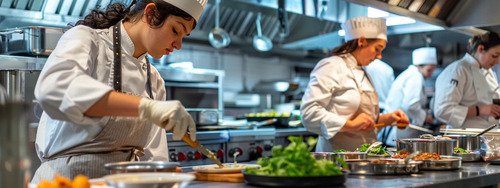
Traditional culinary schools provide a structured setting, akin to the discipline found in a Food Safety Management System (FSMS), ensuring students adhere to rigorous standards. These institutions often come with Culinary Arts Accreditation, a mark of quality and adherence to industry standards. The hands-on experience gained in a traditional setting is invaluable, offering students direct access to professional-grade kitchens and tools, similar to those used by a Menu Engineering Specialist.
In a traditional culinary school, students benefit from face-to-face interactions with instructors and peers, fostering a collaborative learning environment. This interaction can be particularly beneficial for those interested in roles such as a Nutritional Curriculum Developer, where direct feedback and mentorship are crucial. Moreover, these schools provide opportunities for sensory evaluation protocol training, enhancing students’ ability to assess and perfect dishes.
Online Culinary School: Flexibility and Convenience
Online culinary programs, such as the Online Culinary School, offer unparalleled flexibility, allowing students to tailor their education around existing commitments. This flexibility is particularly advantageous for those in Agency roles like an Educational Food Program Coordinator, who may need to balance work with continuing education. According to a recent study by the National Center for Education Statistics, online learning can be more accessible for students with work or family obligations (Source: NCES, 2023).
These programs often incorporate innovative technologies, such as Recipe Costing Software, to simulate real-world kitchen management experiences. Students can learn at their own pace, accessing a wealth of resources, including Edible Education Resource Guides and Nutrition Education Frameworks, without the need to commute or adhere to a fixed schedule.
Online culinary education also supports students aiming to become Food Literacy Workshop Leaders, providing a platform for developing and delivering educational content that can reach a broader audience. Additionally, the convenience of online learning aligns well with the dynamic schedules typical of Agency professionals.
Comparative Analysis of Learning Experiences
When comparing traditional and online culinary education, the learning experience varies significantly. Traditional schools offer immersive, hands-on training essential for roles like Dietary Compliance Auditors, who benefit from in-person assessments and evaluations. In contrast, online programs emphasize flexibility and access to diverse learning materials, which can be advantageous for those involved in a Food Science Outreach Program.
The interaction with industry professionals in traditional schools can lead to networking opportunities that are invaluable in culinary careers. However, online programs are increasingly incorporating virtual networking events, enabling connections across the globe. For those acting as Farm-to-School Program Facilitators, this global reach can provide insights into international best practices.
Ultimately, the decision between these two paths depends on the individual’s lifestyle and career objectives. For instance, a Meal Planning Assessment Metrics specialist may prefer the practical experience of a traditional setting, while an Agribusiness Marketing Strategist might value the online program’s flexibility to juggle multiple projects.
Choosing the Right Culinary Path for Your Lifestyle
Selecting the right culinary education path requires careful consideration of one’s career goals, lifestyle, and learning preferences. Traditional culinary schools are ideal for those seeking a structured, immersive experience with direct mentorship and hands-on practice. This path suits individuals who thrive in a collaborative, physical learning environment.
Conversely, online culinary programs provide the flexibility needed for individuals with existing commitments or those who prefer a self-paced learning style. This option can be particularly beneficial for professionals in Agency roles, such as a Nutrition Education Framework developer, who require adaptable schedules.
Recent research from the Journal of Culinary Education highlights the effectiveness of both traditional and online education, suggesting that the best choice depends on personal circumstances and professional aspirations (Source: Journal of Culinary Education, 2023).
Conclusion
Both traditional and Online Culinary Schools offer unique advantages tailored to different learning needs and professional paths. For those in Agency roles related to Food, Education, the choice between a structured learning environment and a flexible, online format ultimately hinges on personal lifestyle and career ambitions. By aligning educational choices with professional goals, individuals can ensure a rewarding and effective culinary education journey.